


diaphragm valves

Diaphragm valves for corrosive and demanding industrial processes
Diaphragm valves are used as shut-off or control valves in processes where the medium is corrosive, viscous, contaminated or contains solid particles. Thanks to their design, they are particularly suited to aggressive and abrasive applications in the process industry.
Lyma offers diaphragm valves adapted for the chemical industry, water treatment, steel production, pharmaceutical industry and other demanding environments where reliability and chemical resistance are crucial.
Filter

Asahi manual diaphragm valve type 14 DN15-100

Asahi manual diaphragm valve type 15 DN125-150

Asahi manual diaphragm valve type 72 DN200-250

Asahi diaphragm valve type 14/15/72 EL DN15-250

Richter lined diaphragm valve type MV DN15-200

Asahi pneumatic diaphragm valve type AI DN15-50
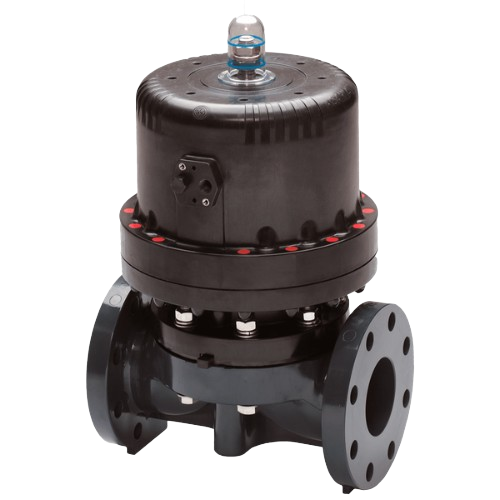
Asahi pneumatic diaphragm valve type AP DN65-100
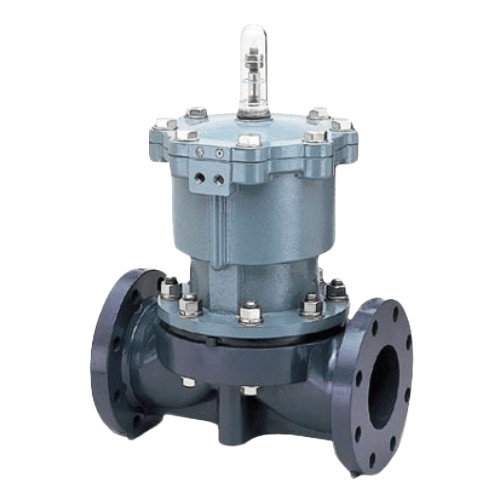
Asahi pneumatic diaphragm valve type AV DN125-250

Asahi pneumatic diaphragm valve type 16P DN15-50
When are diaphragm valves used?
Diaphragm valves are particularly suitable in applications where:
-
the medium is corrosive or chemically aggressive
-
the liquid is viscous or contains particles
-
the valve is often manoeuvred
-
high density is required in both flow directions
-
pressure surges in pipelines should be minimised
The soft closure eliminates pressure surges in the pipework, helping to increase the life of both the valve and its peripherals.
How a diaphragm valve works
A diaphragm valve is constructed with a flexible membrane which is pressed against a lug in the valve body to close the flow.
The design means that:
-
the medium is separated from the moving parts of the valve
-
spindle and mechanics are protected from corrosion
-
sealing achieved at low tightening torques
-
the valve is tight in both flow directions
Manoeuvring is done via:
-
handwheel (lockable as an option)
-
pneumatic actuator
-
electric actuator
The valve can be mounted in any position and has a simple and service-friendly design.
Connections and designs
Lyma diaphragm valves can be supplied with several different connection options:
-
glued connection
-
welded connection
-
threaded connection
-
flanged connection
The choice of connection depends on the design of the pipework, the pressure class and the characteristics of the medium.
For liquids that diffuse, a diffusion protection to prevent corrosive gases from attacking the valve stem.
Materials and chemical resistance
Diaphragm valves are often used in the handling of:
-
acids
-
base
-
chemicals
-
sludge and slurry
-
abrasive media
Material selection for valve bodies and diaphragms is crucial for service life and safe operation. Depending on the application, valves can be supplied in plastic, metal or specialised materials with diaphragms adapted for chemical resistance, temperature and pressure.
Lyma helps you choose the right combination of valve body and diaphragm material based on:
-
media
-
temperature
-
pressure
-
concentration
-
drift cycles
Advantages of diaphragm valves in the process industry
-
High tightness and safe shutdown
-
Protected mechanical parts
-
Suitable for frequent manoeuvring
-
Reduces pressure surges in pipework
-
Copes with aggressive and contaminated media
This makes diaphragm valves a safe choice in critical industrial processes.
Need help choosing a diaphragm valve?
Contact Lyma we will help you design the right valve for your application - focusing on reliability, chemical resistance and longevity.